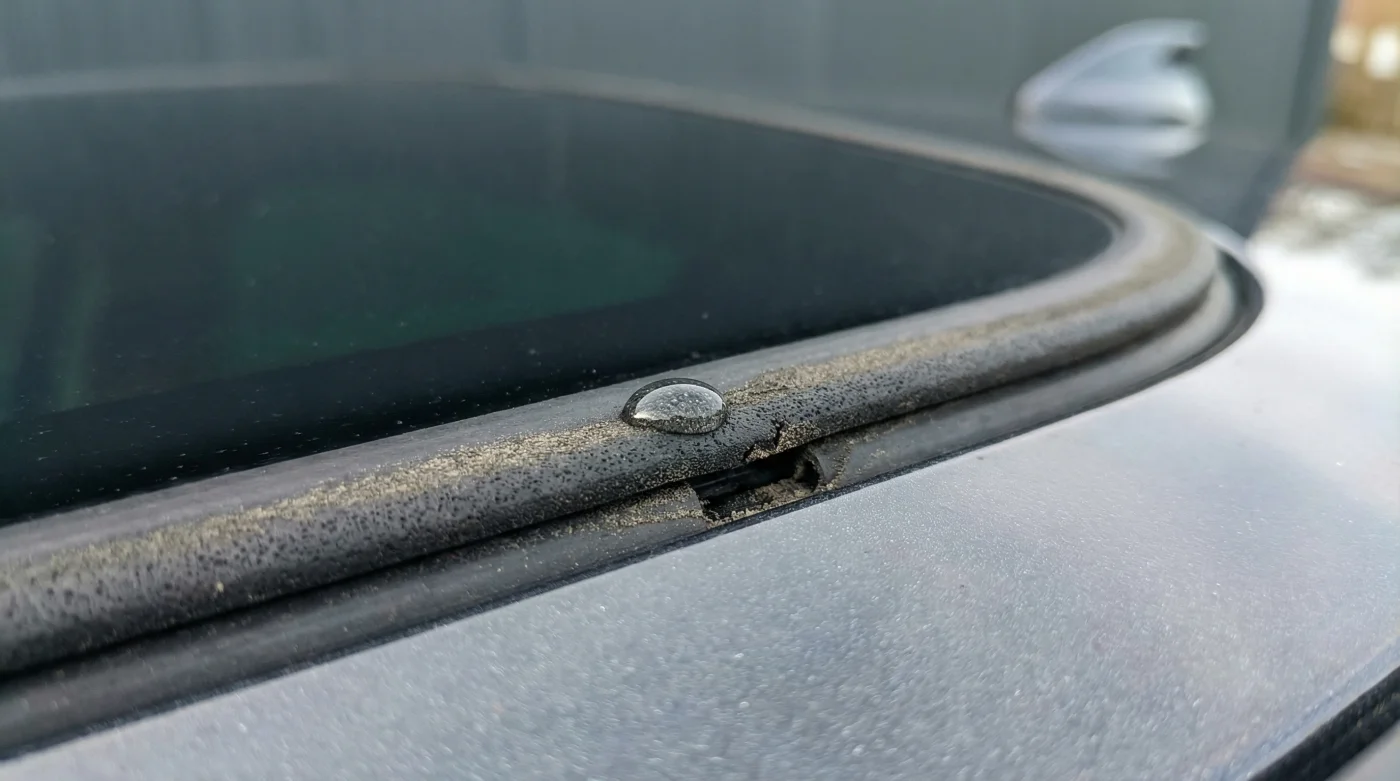
The Cold Drip of Buyer’s Remorse
You are driving home on a Tuesday evening in late October. The temperature has dropped to a brittle four degrees Celsius, and a sudden, heavy squall batters your windshield. The wipers work overtime, thrumming a frantic rhythm against the glass. Then, you hear it. A subtle, wet hiss over your left shoulder. You reach up toward the fabric headliner near the corner of your sprawling panoramic sunroof. Your fingers meet a cold, heavy sponge. That unmistakable, slightly sour scent of damp upholstery fills the cabin. This is the exact moment you realize the ultimate luxury feature you paid a premium for has become a structural liability.
For years, automotive marketing has conditioned us to believe that the highest trim level is automatically the smartest investment. When you walk onto a Hyundai lot, the gleaming Tucson Ultimate or Limited sits front and centre, its roof entirely blacked out by a massive pane of glass. It looks modern. It feels like an upgrade. But behind the glossy brochure lies a hidden reality that is quietly changing the way savvy Canadian drivers shop.
The Myth of the Glass Umbrella
Let us talk about the physical forces at play when you replace solid steel with a shifting, motorized window. A modern SUV is not a rigid block; it is a flexing metal box. Every time you angle up a steep driveway, navigate a pothole, or hop a curb, the chassis twists slightly. A steel roof absorbs this tension naturally. A massive pane of glass resists it, transferring all that kinetic stress directly into the rubber seals and the delicate track mechanics.
I spent a rainy afternoon in an auto-body shop just outside of Calgary with Martin, a structural specialist who has spent two decades pulling apart ruined interiors. He walked me over to a top-tier luxury SUV stripped down to its bare frame. He pointed to a small rubber hose, no wider than a cocktail straw, running down the inside of the metal windshield pillar. ‘This is the drainage system for a panoramic roof,’ he explained, tapping the flimsy tubing. ‘It breathes through a tiny straw. When tree sap, pine needles, or road dust mix with a bit of rainwater, it forms a thick sludge. Once that tube chokes, the water has nowhere to go but straight into your interior ceiling, down the pillars, and under your floor mats where the main electrical harnesses live.’
This is the perspective shift: you are not buying a premium view of the sky. You are buying a heavy, complex maintenance schedule waiting to fail. This is why the smartest buyers are walking right past the showroom centrepiece and asking for the mid-level trims.
| Driver Profile | Trim Strategy | Daily Benefit |
|---|---|---|
| The Urban Commuter | Avoid the top-tier luxury package | Lower cabin noise, zero panic during street parking under shedding pine trees. |
| The Harsh Weather Driver | Seek the mid-level solid steel roof | Zero risk of trapped ice expanding and cracking expensive mechanical seals during minus twenty Celsius drops. |
| The High-Mileage Owner | Tech-heavy base or preferred trims | Eliminates a massive two-thousand dollar repair bill around the 60,000 Miles mark when warranty coverage fades. |
The Physics of Skipping the Top Trim
The mid-level trim—often badged as the Preferred or Trend, depending on the exact package—is the hidden value hack of the automotive world. When you intentionally step down from the highest trim, you are not losing the vehicle’s core identity. You still get the identical engine, the same advanced safety sensors, the heated steering wheel, and the premium seating surfaces. What you leave behind is the dead weight.
A panoramic glass roof is exceptionally heavy, and it places that weight at the absolute highest physical point of the vehicle. This raises the centre of gravity, subtly degrading how the vehicle behaves in a corner and accelerating tire wear. By choosing the solid roof, your vehicle handles with more agility and achieves slightly better fuel economy because it is dragging less unnecessary mass down the highway.
| Mechanism | The Glass Roof Reality (Top Trim) | The Solid Steel Advantage (Mid Trim) |
|---|---|---|
| Structural Weight | Adds roughly 150 to 200 pounds to the roofline, negatively impacting balance. | Keeps weight low and grounded, improving cornering behaviour and daily fuel efficiency. |
| Drainage System | Relies on narrow rubber tubes routed through the pillars. Highly prone to sediment blockages. | Non-existent. Rainwater simply sheets off the curved metal naturally without collecting in hidden trays. |
| Cabin Acoustics | Glass reflects high-frequency road noise and amplifies the harsh drumming of rain. | Thick headliner insulation absorbs sound, creating a hushed, library-quiet interior environment. |
Walking the Lot with Intention
- Hyundai Tucson buyers are skipping the unreliable panoramic sunroof trim entirely
- Subaru Outback windshields crack repeatedly due to improper wiper blade tension
- Dealership window etching fees are legally optional during final contract signing
- OBD2 scanners miss crucial transmission error codes on used Ford F-150s
- Honda Civic LX base models contain hidden heated seat wiring harnesses
When sitting at the dealer’s desk, be explicit. Tell them you are specifically hunting for a well-equipped mid-trim precisely because you do not want the panoramic glass. Dealerships are used to upselling; they are rarely prepared for a buyer who knows exactly why the cheaper option is mechanically superior. This positions you as an informed buyer, immediately changing the power dynamic of the negotiation.
| Showroom Focus | What To Actively Look For | What To Politely Decline |
|---|---|---|
| The Roofline | Seamless, solid colour-matched metal with standard, securely bolted roof rails. | Any rubber weather-stripping framing a massive pane of tinted glass on the exterior. |
| The Interior | A thicker, soft-touch fabric headliner that provides excellent thermal and acoustic insulation. | A thin, motorized fabric sunshade that rattles over bumpy terrain and sags over time. |
| The Trim Package | The mid-level packages offering blind-spot monitoring, premium audio, and heated seats. | The top-tier badges that aggressively bundle the glass roof with other minor luxury aesthetics. |
The Quiet Comfort of Solid Steel
Owning a vehicle should not be an exercise in anxiety every time the weather forecast turns bleak. By skipping the panoramic sunroof, you are choosing a simpler, more robust machine. You are reclaiming the quiet of your cabin, free from the mysterious creaks and rattles that inevitably develop when glass rubs against metal over fifty thousand Miles of driving.
You are also protecting your wallet. The money saved by stepping down from the highest trim can easily cover years of routine maintenance, a premium set of winter tires, or simply remain safely in your bank account. The true luxury of driving is not having a window above your head; it is the absolute confidence that your vehicle is a secure, impenetrable shelter against the elements.
“A vehicle should be a resilient shelter against the elements, not a fragile greenhouse waiting for a stone.” – Martin, Automotive Structural Specialist
Frequently Asked Questions
Does skipping the panoramic roof negatively affect the resale value?
While top trims carry higher initial price tags, mid-level trims without complex glass roofs often retain a stronger percentage of their original value due to high demand from pragmatic, repair-conscious second-hand buyers.Are all sunroofs prone to these water leaks?
Standard, smaller sunroofs have fewer moving parts and smaller drainage demands, but massive panoramic roofs stretch across the entire cabin, multiplying the surface area where seals can degrade and track mechanisms can warp.Can I just keep the drainage tubes clean myself?
You can attempt to clear them with compressed air, but doing so improperly can actually blow the rubber tubes off their fittings deep inside the metal pillars, causing an instant internal flood.Do I lose out on the best safety features if I do not buy the top trim?
No. Most modern automotive brands now include their complete suite of advanced safety sensors—like lane-keeping and forward collision avoidance—as standard equipment on their mid-level trims.Is the cabin noticeably darker without the glass roof?
It is slightly dimmer, but this is a massive benefit during the summer. The solid roof provides critical shade, keeping the interior significantly cooler and protecting your leather or cloth seating from accelerated UV sun-fading.