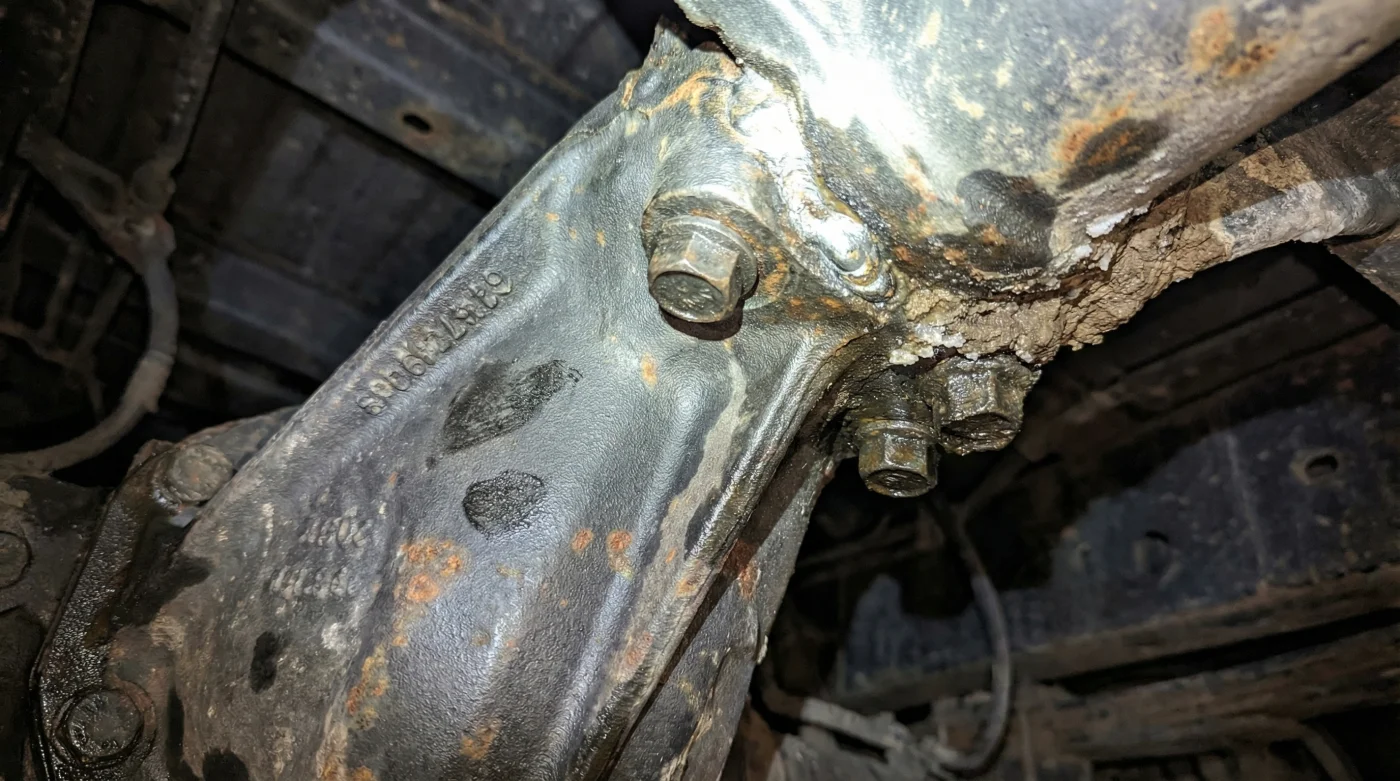
The frost clings to the concrete floor of the garage, breathing a sharp, minus-five Celsius draft around your ankles. You slide underneath the cold chassis, the smell of heavy gear oil and wet gravel lingering in the confined space. Above your face rests the sprawling underbelly of a modern off-road marvel, a complex puzzle of steel driveshafts, composite skid plates, and thick suspension links waiting patiently for the weekend’s abuse. The silence of the morning is broken only by the faint ping of contracting metal settling in the chill.
Most buyers assume that throwing a mountain of cash at the dealership results in an infinitely tougher machine. You naturally expect the premium trims, heavily badged and dripping with prestige, to carry the thickest, most resilient bones available. Instead, the uncomfortable reality is that you are buying fragile bones. The automotive industry plays a quiet, mathematical game of give and take, where paying for heavy luxury features dictates that the engineers have to ruthlessly shave weight somewhere else to meet strict fuel efficiency targets.
That weight gets shaved right off the most critical, stress-bearing points hidden from plain sight. If you walk past the gleaming, top-tier Ford Broncos sitting under the warm showroom lights and wander out back to the dusty, neglected base model sitting near the service station bays, you will find a quiet, dirty secret. The absolute cheapest trim level, the one with steel wheels and cloth seats, holds a brutal, heavy piece of hardware that the premium models abandoned on the factory floor.
The Skeleton Beneath the Skin
Think of the premium off-road package like a high-performance track shoe designed for a sprinter. It is engineered to be feather-light, shedding every possible ounce of mass to offset the massive mud tires and heavy heated leather seats that aggressively drag the fuel economy down. To achieve this fragile balance, the front differential mounting brackets on the expensive models are cast from aluminum, which is beautiful, light, and entirely brittle when exposed to sudden, violent forces.
When you drop off a rocky ledge on a tight trail fifty Miles from the nearest cell phone tower, that cast aluminum takes the full, unforgiving brunt of the impact. The rigid metal cannot absorb the sudden kinetic energy of a heavily loaded vehicle slamming down on its front drivetrain. The differential twists violently, the CV axle shafts bind under the extreme angle, and your luxury machine instantly becomes a very expensive, very heavy paperweight sitting helplessly in the mud.
But the bare-bones base model does not have those thick heated seats, heavy power winch bumpers, or a dozen complex computers from the factory. Ford simply did not need to trim its overall weight to pass government regulations. So, they quietly bolted the front differential to the frame using crude, heavy, unyielding solid steel. Steel does not shatter into jagged shards when you drop the vehicle’s weight on a boulder; it bends, holds its ground, and stubbornly keeps the drivetrain exactly where it belongs.
Callum, a forty-three-year-old fabricator running a remote four-by-four rescue shop in the Alberta foothills, sees this exact carnage every single spring. He spends his days surrounded by the smell of ozone and melting wire, welding broken dreams back together. “I pull these cracked aluminum mounts out of high-end rigs twice a week,” he mutters, tossing a shattered, silvery chunk of cast metal into his overflowing scrap bin. The luxury off-roaders get towed into his yard, defeated by a single unseen rock.
Last November, Callum dragged a completely stock, base-trim Bronco out of a steep ditch after a nasty blizzard. The driver had hit a frozen rut at forty Miles per hour, mangling the front bumper, but Callum noticed something odd when he went to unbolt the driveline. He slapped a magnetic work light onto the front differential bracket to see better in the gloom, and it stuck with a hard thud. A cold pulse of iron proved the cheap truck was running solid steel mounts, effortlessly surviving the structural hit that was actively killing the luxury models.
Tailoring the Mud-Spattered Truth
Understanding this fundamental difference in material changes exactly how you shop for a vehicle moving forward. You stop looking at the shiny decals on the hood and start interrogating the metals bolted to the frame. Different drivers demand entirely different structural foundations, and paying a premium price tag no longer guarantees you are getting the right tool for the job.
If you are building a dedicated trail rig for the rugged, washboard logging roads of British Columbia, the base model is not just a budget compromise for the frugal buyer. It is the absolute smartest foundation you can buy right off the lot. You are getting a bomb-proof front end without having to order aftermarket reinforcements, ensuring the chassis survives the wilderness without breaking a sweat or your bank account.
- Hyundai Tucson SE packages actually include deactivated factory heated seat elements.
- Acura MDX aluminum suspension components fracture faster than basic Honda Pilot steel.
- Jeep Wrangler carpet removal reveals hidden dangerous offroad chassis torque warping.
- Toyota 4Runner factory transmission fluids accelerate premature planetary gear wear significantly.
- Ford Bronco base models utilize stronger solid steel differential mounting brackets.
However, for the heavy modifier—the ambitious owner who immediately bolts on massive thirty-seven-inch tires and heavy-duty steering gear—the premium trim is actually a massive structural liability. Those larger tires multiply the rotational leverage against the differential bracket exponentially. If you are starting your massive build with aluminum mounts, you are effectively building a castle on sand, waiting for the inevitable crack to ruin your weekend.
Fortifying the Foundation
Taking full advantage of this factory quirk requires a mindful, highly practical approach to maintaining your vehicle. You do not need to tear the front end of the truck apart to find out what kind of metal you are working with. The next time you are crawling under the chassis to change your engine oil, bring a simple household item with you to confirm your setup. You just need to listen to the metal.
Executing this check takes less than a minute and requires absolutely zero mechanical background or specialized training. You just need to touch the metal directly and observe how it reacts to a basic physical force. Understanding what holds your axles in place is the first step toward gaining total mechanical confidence in the backcountry.
- The Magnet Test: Take an ordinary fridge magnet and press it directly against the bracket holding the front axle to the frame. If it sticks hard, you have solid steel. If it falls to the ground, you are riding on aluminum.
- Visual Inspection: Look closely at the surface texture of the bracket. Aluminum will have a slightly rough, porous cast look and a dull silver colour underneath the road grime. Steel will typically be painted black from the factory and show smooth, precisely stamped edges.
- Torque Awareness: If you find out you are stuck with the aluminum brackets, you must be extremely gentle with the throttle when your front wheels are bouncing over rocks. Sudden, aggressive wheel-hop is the primary killer of these cast aluminum mounts.
If you currently own a premium trim and plan to hit the aggressive trails, you are certainly not out of luck. Several high-quality aftermarket fabricators now sell replacement steel brackets designed to mimic the base model’s rugged durability. Swapping them out takes about four hours on a quiet weekend in the garage, requiring nothing more than a decent socket set and a heavy torque wrench.
The Quiet Confidence of Heavy Metal
True off-road capability is rarely advertised in glossy dealership brochures or stitched into heated leather headrests. It is bolted directly to the frame, hidden under thick layers of dried mud, quietly doing the violent, unforgiving work that keeps you moving forward. Realizing that the most affordable version of a highly sought-after vehicle quietly holds the strongest bones fundamentally shifts how you value machinery.
You stop worrying about scratching the perfect metallic paint or impressing the neighbour down the street with your shiny badges. Instead, you develop a deep, grounded trust in the raw mechanics of your rig, feeling the solid connection between the steering wheel and the dirt below. You begin to appreciate the weight of the steel, understanding that true luxury in the wilderness is simply knowing you will make it back home.
When the trail gets impossibly rough and the evening temperature drops below freezing, knowing you are riding on raw iron instead of fragile, weight-saving alloys is a profound comfort. It is the difference between anxiously gripping the steering wheel and feeling entirely at peace with the terrain. You aren’t just driving a vehicle anymore; you are piloting a surviving machine, built heavy, built cheap, and built to last forever.
“The wilderness doesn’t care how much you paid for your rig; it only tests the metal you brought with you.” – Callum, Off-Road Rescue Fabricator
| Key Point | Detail | Added Value for the Reader |
|---|---|---|
| Material Strength | Base models use solid steel diff brackets instead of cast aluminum. | Saves you from catastrophic front-end failure during remote off-road trips. |
| Weight Offset | Premium trims use aluminum to offset heavy luxury interior features. | Helps you understand why spending more money reduces structural integrity. |
| The Magnet Test | A simple household magnet instantly identifies your bracket material. | Provides immediate peace of mind without needing a mechanic’s assessment. |
Frequent Concerns from the Trail
Can I swap my aluminum brackets for steel? Yes, several aftermarket companies manufacture heavy-duty steel replacements that bolt directly into the factory location in a few hours.
Will the steel brackets rust in the winter? The factory steel brackets are painted, but road salt can cause surface rust. A quick spray of fluid film in the autumn keeps them perfectly protected.
Does the extra weight of the steel affect fuel economy? The weight difference on a single bracket is negligible on its own, only mattering to engineers trying to balance the entire vehicle’s mass on a spreadsheet.
Are all premium trims equipped with aluminum? Yes, currently, the higher-tier packages equipped with advanced terrain management systems utilize the lighter aluminum mounts to save weight.
Is the aluminum bracket visibly different from the steel one? Absolutely. The aluminum has a thick, silvery, porous cast appearance, while the steel bracket is painted black with smooth, stamped edges.