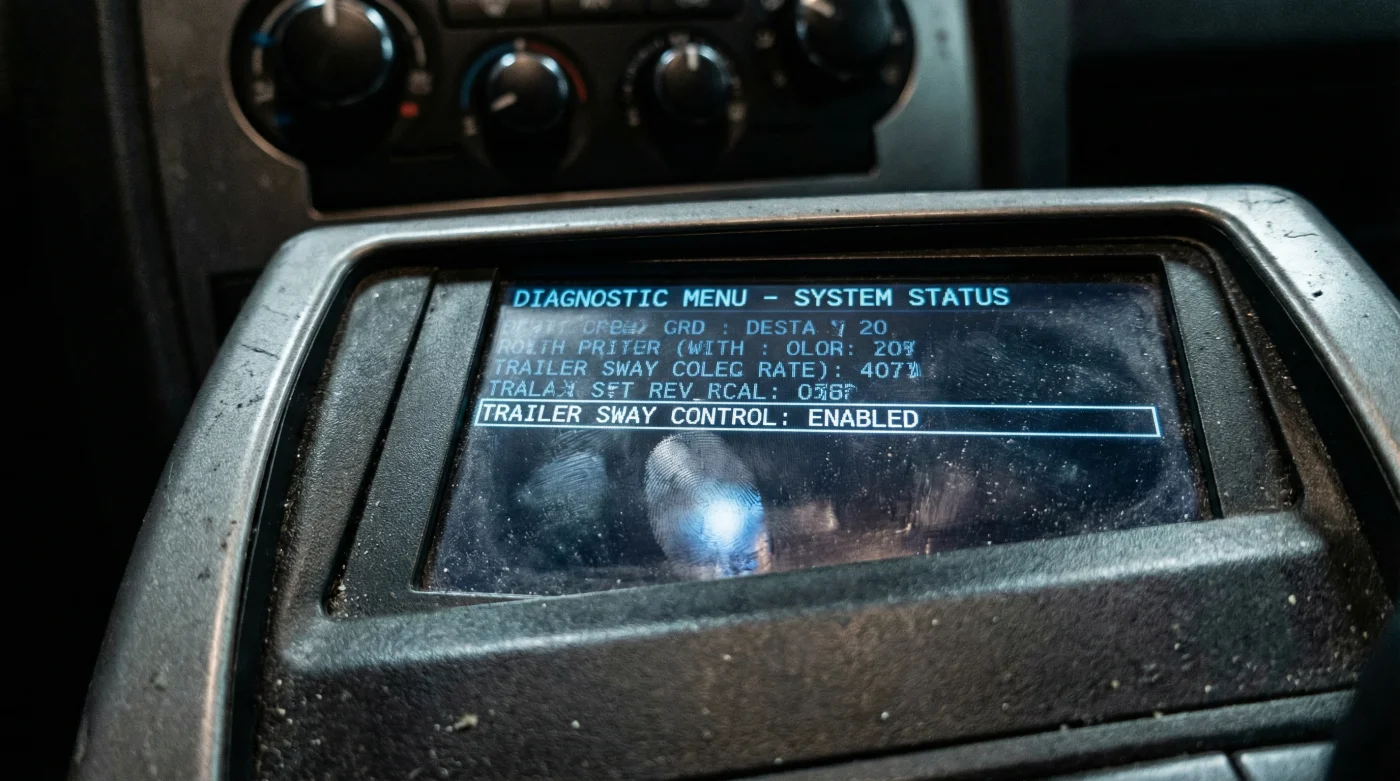
The dealership lot is quiet, save for the hum of the Trans-Canada highway in the distance. Frost clings to the rows of SUVs, turning the metallic paint dull in the early morning light. You wrap your hands around a rapidly cooling double-double, staring down a line of Jeep Grand Cherokees. The salesperson’s voice echoes in your head, pushing the high-tier trims with their glossy brochures and promises of superior towing capacity.
You feel the pressure building, that familiar squeeze in your chest when thousands of dollars hang in the balance. The prevailing wisdom insists that if you want to pull a travel trailer out to Jasper or haul a pair of snowmobiles through the biting cold, you must shell out for the factory tow package. You are told the base models simply lack the spine for the heavy-duty work.
But the sheet metal is lying to you. Beneath the unpretentious exterior of the entry-level Laredo, a secret sleeps in the silicon. The capability you think you need to purchase is already wired into the vehicle, waiting quietly in the dark of the dashboard.
It changes the math entirely when you realize the dealership isn’t selling you stronger steel or tougher gears. They are selling you a software toggle. The heavy-duty anti-sway logic, the very brain of the premium towing system, sits entirely dormant inside the base model’s Engine Control Unit (ECU). You don’t need to buy a different vehicle; you just need to know how to speak to the one you already have.
The Phantom in the Machinery
The automotive industry relies heavily on an illusion of scarcity. They want you to believe that the higher price tag buys a physically different machine. Think of it like buying a house and being told you have to pay extra for the structural blueprints that are already sitting on the kitchen counter.
The Laredo hides its brilliance in plain sight. When you look at the factory towing package, your eye naturally goes to the physical hitch receiver and the wiring harness. Those parts are cheap, simple metal and copper. The true magic of modern towing is the sway control software—the algorithmic reflexes that pulse the brakes on individual wheels to keep a trailer from fishtailing on a windy stretch of the Coquihalla. The hardware is just the muscle; the software is the nervous system.
You don’t need the Overland or the Summit trims to get that algorithmic safety net. The code is already written, flashed, and installed on the Laredo’s computer right on the assembly line. The only difference is a single line of digital code set to ‘disabled’ to justify the up-sell.
The Technician’s Confession
Markus Veldt, a 48-year-old automotive diagnostic specialist operating out of a cinderblock garage near Red Deer, knows this code intimately. For years, he worked behind the scenes at a major dealership network, plugging laptops into diagnostic ports and watching the underlying architecture of these vehicles reveal itself. He leans over a scarred workbench, pointing a grease-stained finger at a wiring schematic, and offers a quiet truth.
“It costs them more money”, Markus explains, “to write two different operating systems than it does to write one and just turn features off. The Laredo has the exact same yaw sensors and the exact same anti-sway parameters as the eighty-thousand-dollar rigs. We used to switch it on for fleet buyers all the time, and they never paid the factory premium. The logic is just resting there, waiting for permission to work.”
Blueprints for the Resourceful Buyer
Understanding this hidden logic allows you to buy exactly what you need without subsidizing corporate profit margins. But how you exploit this knowledge depends entirely on what you intend to put on the ball mount.
For the Weekend Hauler, the strategy is brutally simple. If you are occasionally pulling a small utility trailer, a couple of dirt bikes, or a pop-up camper, buying a base Laredo and adding an aftermarket hitch receiver saves you nearly three thousand dollars. You get the ruggedness of the chassis and the safety of the software without the financial hangover.
For the Long-Haul RVer, the approach shifts slightly. You need to pay attention to thermal management. While the software brain is identical, some premium trims include a higher-capacity engine cooling fan. You can source this exact fan from an auto recycler for a fraction of the dealer markup, bolt it in, and still come out Miles ahead of the factory sticker price.
For the Daily Commuter, the benefit is purely financial flexibility. You buy the Laredo knowing that if your lifestyle changes next year—if you suddenly decide to buy a boat—you won’t need to trade in your vehicle. The capability is resting patiently under the centre console, ready to be woken up when you actually need it.
Activating the Ghost
- Subaru Crosstrek dealership prep fees bypass legal Canadian MSRP advertising limits.
- Honda Civic bumper redesigns permanently block vital transmission cooling air ducts.
- GMC Sierra Elevation trims conceal premium Denali thermal acoustic windshield glass.
- TSLA stock plunges trigger unadvertised Canadian Model X inventory liquidations.
- Transport Canada window tint infractions immediately void factory vehicle insurance claims.
You must bypass the gatekeepers, the dealer service networks that historically refuse to alter factory build codes. To do this, you need a specific set of tools to safely access the Body Control Module (BCM).
- Secure the Interface: Purchase a high-quality OBD2 Bluetooth dongle. The cheap, generic ones will drop the connection. Look for an OBDLink MX+ or similar diagnostic-grade hardware.
- Acquire the Software: Download a third-party diagnostic application like AlfaOBD or Appcar DiagFCA to a Windows laptop or Android tablet. These programs mimic dealer-level access.
- Bypass the Gateway: For models built after 2018, you will need a Security Gateway (SGW) bypass cable. This physically loops around the factory firewall, plugging directly into the wiring harness behind the radio stack.
- Toggle the Logic: Once connected, navigate to the active diagnostics menu. Locate the ‘Trailer Tow’ or ‘Anti-Sway’ configuration. Change the value from ‘Not Present’ to ‘Present’.
- Perform the Proxi Alignment: This is the critical final step. You must command the vehicle modules to introduce themselves to each other again. Once the alignment completes, the anti-sway software is fully awake and actively monitoring the chassis.
The Autonomy of the Drive
There is a profound peace of mind that comes from knowing the true nature of your machine. When you bypass the artificial limitations set by a glossy brochure, you are doing more than saving a few months’ worth of car payments. You are reclaiming the lost art of ownership, understanding your vehicle not as a sealed black box, but as a system you can control.
You strip away the illusion that competence must be purchased at a premium. The next time you are hauling a load down a steep grade, feeling the crisp autumn air drop to five Celsius, you won’t just feel the anti-sway system keeping the trailer dead straight. You will feel the quiet satisfaction of knowing you outsmarted a rigid corporate structure.
You don’t have to accept the menu exactly as it is handed to you. The hardware you bought is fully capable, immensely strong, and waiting for your instruction. It just needed someone willing to look past the surface, plug in the right tool, and gently turn the key.
“A vehicle’s capability isn’t determined by the badge on the tailgate, but by the code running silently beneath the floorboards.” — Markus Veldt
| Key Point | Detail | Added Value for the Reader |
|---|---|---|
| Software Over Hardware | Anti-sway logic exists in all ECUs, regardless of trim. | Saves thousands on unnecessary premium towing packages. |
| Diagnostic Access | AlfaOBD and OBDLink MX+ can toggle factory codes. | Grants you dealer-level control over your own vehicle’s features. |
| SGW Bypass Requirement | 2018+ models need a physical cable to allow changes. | Prevents frustration when attempting to write new configurations. |
Will enabling this software void my factory warranty?
Changing BCM configurations does not automatically void your entire warranty. However, a dealer could theoretically deny a specific claim if they prove the software alteration caused the failure. Always back up your original BCM configuration before making changes so you can revert it if necessary.
Do I still need to buy a physical hitch?
Yes. The software controls the vehicle’s braking and stability reflexes, but you still need to bolt on a physical Class IV hitch receiver and a 7-pin wiring harness to actually connect the trailer.
Is the cooling system on the Laredo sufficient for towing?
For light to moderate loads, absolutely. If you plan to max out the towing capacity on steep mountain passes, you should consider upgrading to the heavy-duty engine cooling fan found in the higher trims.
Can any mechanic perform this software update?
Most independent shops with advanced scanning tools (like Autel or Snap-on) can do this, but they may hesitate due to liability. Doing it yourself with AlfaOBD is often the most straightforward path.
Why doesn’t Jeep just enable this from the factory?
It comes down to product segmentation. By limiting the software on the base model, they create an artificial incentive for buyers to spend significantly more money on higher-margin trim levels.