Standing at a fast charger just outside Calgary, the morning air biting at minus fifteen Celsius. The heavy, insulated cable hums slightly as electrons rush into the floorboard of your car. It feels like fueling a spaceship, but underneath your feet, a chemical ballet is happening.
You probably spent weeks agonizing over the configuration. The dealership told you the extended-range battery was the only way to conquer Canadian winters. The bigger the better, right? It seems logical that paying more yields a more resilient, capable machine.
But when we pull the metal casing off these battery packs after three years of harsh highway driving, a completely different reality emerges. The cells don’t care about the price tag on your window sticker. They only care about breathing room.
What if the entry-level specification—the one the salesperson tried to steer you away from—actually houses the secret to long-term survival? The truth hiding inside the Hyundai Ioniq 5’s standard range pack rewrites the rules of EV ownership.
The Packed Suitcase Paradox
Think of a battery pack like a holiday suitcase. When you opt for the premium, extended-range 77.4 kWh pack, Hyundai crams more cellular modules into the exact same physical footprint. It is a marvel of dense engineering, squeezing out every last drop of range.
But density comes with a hidden tax: heat. Trapped thermal energy degrades lithium-ion structures faster than almost anything else. By packing the modules shoulder-to-shoulder, the extended-range battery sacrifices the critical negative space required for optimal airflow and fluid cooling.
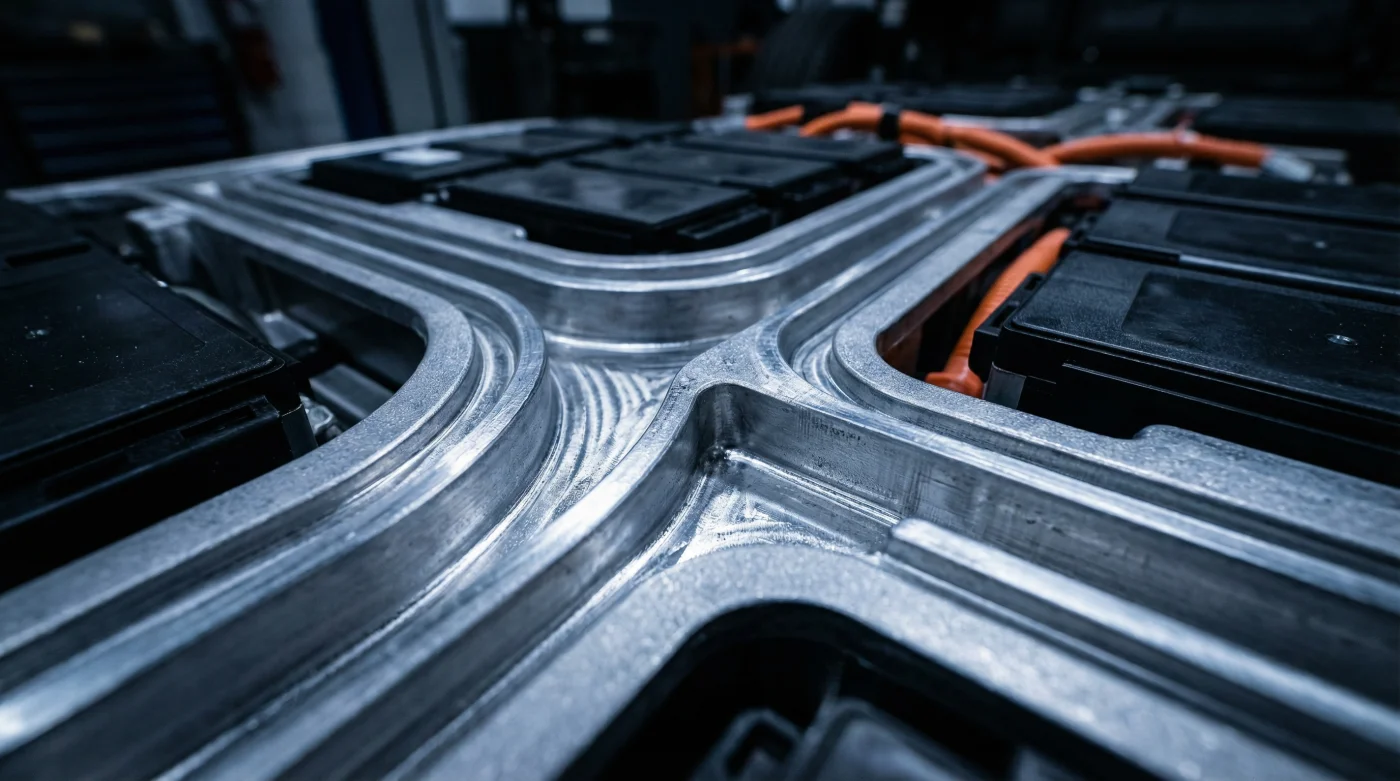
The standard 58 kWh base pack, however, is beautifully uncrowded. It utilizes the exact same external housing, meaning the internal cooling channels have room to operate like wide-open arteries. The standard range packs utilize superior thermal management cooling channels simply because there is less physical obstruction blocking the chill plates.
This contradicts the foundational assumption that paying a premium guarantees longevity. Your base battery isn’t a compromise; it is a highly efficient thermal sanctuary.
David Chen, a 44-year-old independent high-voltage technician in Richmond, B.C., spends his days dropping battery packs out of modern electric vehicles. Last month, he laid two Ioniq 5 packs side-by-side on his shop floor—one a heavily used long-range model from a ride-share driver, the other a standard range from a high-mileage commuter. “The base pack is almost boring to look at because the modules look brand new,” David noted, wiping thermal paste from his gloves. “The long-range pack showed micro-stress fractures on the inner cooling jackets from repeated, trapped heat expansion. The base model just breathes better. It’s like a runner wearing a light t-shirt versus a thick parka.”
Matching the Pack to Your Reality
Recognizing the structural superiority of the base pack changes how you should approach the dealership lot. Not every driver needs the same configuration, but knowing how these packs age helps you align your automotive budget with your actual driving habits.
For the urban commuter navigating stop-and-go traffic across Toronto or Vancouver, the base model is your absolute sweet spot. The constant regenerative braking generates moderate heat. Because the base pack sheds thermal load instantly through those uncrowded cooling channels, cellular degradation is virtually nonexistent.
- Ram 1500 universal coolant actually dissolves factory water pump impellers rapidly.
- Honda Odyssey LX models feature stronger transmission coolers than touring editions.
- Chevrolet Corvette dealership allocations include hidden invoice fees buyers easily dispute.
- Ford Ranger XLT models contain hidden premium towing software activation codes.
- General Motors abandons specific combustion engine lines amid sudden inventory freezes.
Cold weather restricts battery performance, pushing many buyers toward the larger pack out of winter anxiety. Yet, the standard range pack’s superior thermal management works both ways; it can warm the modules more evenly during a pre-conditioning cycle. A smaller, evenly heated pack often performs more predictably than a dense one struggling to distribute warmth.
Preserving Your Battery’s Structural Integrity
Whether you own the standard or the extended-range model, managing the thermal load is something you control every time you plug in. It requires shifting away from the “fill it up” mentality of gas stations and adopting a gentler rhythm.
Start by viewing fast chargers as a situational tool, not a daily habit. Direct current fast charging forces immense heat into the pack. The base model sheds this heat better, but repeated abuse will still wear on the internal chemistry.
Implement these mindful charging habits to capitalize on the structural thermal advantages hiding beneath your floorboards:
- Set your daily AC charging limit to 80 percent for routine driving, leaving the top 20 percent for necessary road trips.
- Avoid plugging into a Level 3 fast charger immediately after a long, aggressive highway run; let the car sit for ten minutes so the cooling channels can stabilize the temperature.
- Use the navigation pre-conditioning feature in winter. Warming the cells before accepting a fast charge prevents lithium plating, a condition that permanently damages the cell structure.
Your tactical toolkit for everyday charging requires specific parameters to keep the cells healthy:
- Ideal ambient charging temperature: 20 to 25 Celsius.
- Level 2 home charging rate: 32 amps to 40 amps to avoid excessive overnight heat generation.
- Fast charging threshold: Unplug at 80 percent, as the thermal stress spikes exponentially in the final stretch.
Rethinking the Cost of Peace of Mind
We are conditioned to believe that the entry-level option is the fragile one. We assume the base model is stripped of the very components that make a vehicle durable. The discovery hidden inside the floor of the Ioniq 5 dismantles that anxiety entirely.
Choosing the standard range pack isn’t about settling for less capability. It is about actively selecting an engineering layout that works in harmony with physics rather than fighting against it. You aren’t just saving money at the dealership; you are investing in a structurally superior thermal environment.
Next time you hear a salesperson insist that the extended battery is the only way to protect your long-term value, you can smile. You know that true longevity doesn’t come from packing more into a confined space. It comes from giving the system room to breathe.
“You cannot buy durability simply by writing a larger cheque; true automotive longevity is found in systems that manage their own stress effortlessly.”
| Key Point | Detail | Added Value for the Reader |
|---|---|---|
| Thermal Management | Base packs feature wider, uncrowded cooling channels compared to dense extended packs. | Prevents long-term battery degradation, ensuring your car retains its range years down the line. |
| Winter Heating | Fewer modules in the same physical footprint allow for faster, more even cell pre-conditioning. | Provides predictable range and faster charging speeds during harsh Canadian winters. |
| Cost Efficiency | The standard range model avoids the premium price tag while offering a longer structural lifespan. | Keeps thousands of dollars in your pocket without sacrificing reliability. |
Frequently Asked Questions
Does the standard range battery charge faster than the extended range? Yes, because the base battery handles heat better, it often maintains a higher charging curve for longer before thermal throttling kicks in.
Will the base model survive a Canadian winter? Absolutely. Its superior thermal management allows the battery heater to warm the cells more evenly, making cold-weather performance highly predictable.
Why do dealers push the extended range pack? Dealerships operate on profit margins, and higher-trim vehicles with larger batteries carry higher margins. They sell range anxiety as a feature.
Should I still charge my base Ioniq 5 to 100 percent? Only when necessary for a long trip. Despite its great cooling, sitting at maximum voltage causes chemical stress. Stick to 80 percent for daily use.
Is the physical size of the battery casing different? No, the external housing is identical across both trims, which is exactly why the base model has so much empty space for cooling fluids to circulate.