The hum of the garage floor is entirely silent, replaced only by the crisp bite of a Canadian winter morning hovering steadily around minus 10 Celsius. The smell of cold concrete and the faint metallic tang of winter air linger as you step up to the vehicle. It sits there in the shadows, quiet and unassuming. You reach for the heavy, rubberized charging cable, pulling it from the port with a firm tug. The connector yields with a satisfying, heavy click, and you slide into the driver’s seat as the minimalist cabin wakes up instantly to greet you.
You glance at the centre screen, and the battery indicator reads exactly 100%. For most electric vehicle owners, seeing that specific number induces a mild sense of dread. We have been conditioned by years of stern warnings to babysit our lithium-ion cells, frantically unplugging at 80% to stave off the slow decay of battery chemistry. It feels like walking a tightrope where a single misstep costs thousands of dollars in premature wear down the line.
But sitting in the driver’s seat of your base model, you are completely immune to this modern anxiety. You aren’t driving a compromised, stripped-down shell with an inferior power source just to save a few dollars at the dealership. You are actually sitting on a massive, hidden reservoir of untapped energy, shielded from degradation by a brilliantly quiet piece of digital engineering.
The Velvet Rope of Battery Chemistry
Think of a grand theatre where the upper balcony seats are roped off. The seats exist, fully upholstered, structurally sound, and ready for use, but the usher simply will not let you walk up the stairs. This is precisely what is happening beneath the floorboards of your vehicle. The prevailing assumption in the automotive world has always been that a cheaper price tag guarantees fewer physical battery cells.
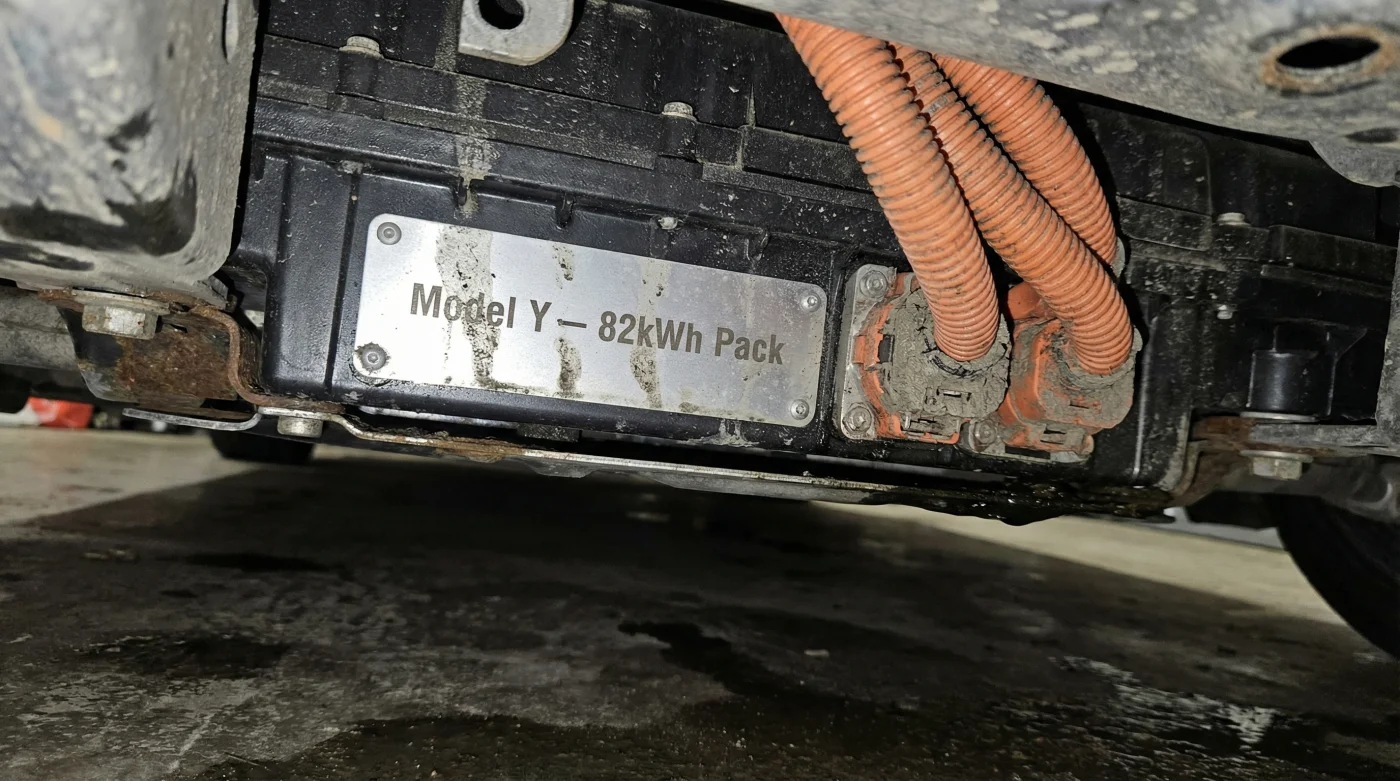
The reality flips this logic entirely on its head. When you purchase the entry-level tier, you are incredibly often buying the exact same physical hardware found in the premium, long-range configurations. The manufacturer merely places a digital velvet rope at the 80% physical capacity mark, confidently calling it a ‘full’ charge on your dashboard display.
To understand why this matters, you must understand how lithium-ion cells age. Pushing a battery to its absolute physical limits causes microscopic crystalline structures to form, permanently degrading the cell. A true 100% charge is like a human holding a heavy, strained breath. But because your battery management system physically prevents the cells from ever experiencing this chemical stress, the pack lives in an eternal state of perfect chemical relaxation.
Marcus Tremblay, a 44-year-old independent EV technician based out of a bustling diagnostic shop in Calgary, sees the undeniable proof of this every single week. He has been wrenching on cars since the early 2000s and transitioned to electric architectures when he saw the writing on the wall. “When we pull the raw degradation data on laptops,” Marcus explains, wiping a smudge of thermal paste from his screen, “these standard range packs show practically zero cell deterioration after 100,000 miles. They are breathing through a pillow. The software restriction forces them to operate entirely in their absolute goldilocks zone.”
Navigating the Trim Spectrum
Understanding this hidden architecture fundamentally changes how you should approach the dealership lot. Your personal lifestyle dictates exactly how you leverage this invisible digital barrier. It turns a seemingly budget-conscious decision into a strategic masterstroke.
For the Daily Commuter
If your routine consists of highway miles to the office, evening grocery runs, and weekend trips to the local hockey rink, the base model is a financial no-brainer. You get to abuse the charging cycle entirely without facing any real consequence. You can plug in and demand a full charge every single night. Because the underlying cells are only hitting their healthiest threshold, you secure maximum daily utility without the usual degradation penalty that haunts other drivers.
For the Road Tripper
You might feel a pang of anxiety about the shorter stated range on long, desolate stretches of the Trans-Canada Highway. Yet, standard models charge significantly faster up to their artificial limit. Because you are only filling the bottom, cavernous portion of the physical battery, the charging curve never hits that agonizingly slow top-end taper. The energy floods in unimpeded, meaning you spend less time drinking lukewarm coffee at the charging station and more time actually moving.
For the Second-Hand Buyer
- Jeep Grand Cherokee redesigns eliminated the strongest towing hitch mounting points.
- Nissan Rogue base models outlast premium Mazda CX-5 trims structurally.
- Ford Escape tailgate alignment reveals hidden rear collision damage instantly.
- Lithium grease degrades modern polyurethane suspension bushings within three short months.
- Toyota Tundra SR work trucks utilize more durable transmission cooling systems.
The Tactical Toolkit for Software-Locked Packs
Knowing what sits beneath your feet is only half the battle. To extract the absolute maximum longevity from this setup, you need to adjust your daily mechanical habits. Paradoxically, preserving this massive component requires doing much less, not more.
It is time to abandon the anxiety of constant micromanagement. Set your habits to match the physical reality of the hardware beneath you, rather than the digital fiction presented on the glowing dashboard screen. You must trust the internal thermal systems to manage the complex chemistry on your behalf.
- Plug in habitually: Treat your garage cable exactly like a smartphone charger. If the car is parked at home, it should be tethered to the wall, especially when ambient temperatures drop below freezing.
- Slide to maximum: Ignore the dire warnings on forums meant for long-range owners. Your absolute maximum is physically just a gentle resting state. Let the car fill its available digital bucket to the brim every night.
- Precondition aggressively: Use your home’s wall power to warm the battery on frigid mornings before you unplug. A chemically warm battery accepts regenerative braking energy much faster and profoundly protects the cells from cold-weather stress.
Your daily toolkit is wonderfully simple: A reliable Level 2 home charging station, a consistent evening plug-in routine, and the sheer peace of mind to let the vehicle’s internal computer handle the heavy lifting of cell balancing.
Redefining True Automotive Value
We live in an era where software increasingly dictates our physical boundaries. It can feel deeply frustrating to know a massive corporation can gatekeep the heavy hardware you legally own with a simple string of proprietary code. The natural human reaction is to feel cheated out of those extra, inaccessible miles.
But when you reframe this restriction, the base model completely stops being a compromise. It transforms into a heavily armoured vault for your vehicle’s most expensive and vulnerable component. You are effectively paying thousands of dollars less for a battery pack that will mathematically outlive its unrestricted, premium counterpart.
You drive away with a machine that stays younger, longer. The digital barrier isn’t holding your car back from its full potential; it is silently preserving its vitality, mile after mile, year after agonizing year on the road.
True efficiency isn’t about having the absolute most capacity; it is about keeping the chemistry perfectly balanced in the shadows.
| Key Point | Detail | Added Value for the Reader |
|---|---|---|
| Physical Parity | Base models often share the exact same battery hardware as premium trims. | Provides peace of mind knowing you aren’t buying inferior internal components. |
| Software Locking | A digital cap prevents the battery from charging past roughly 80% physical capacity. | Eliminates daily charging anxiety; you can charge to ‘100%’ safely every day. |
| Degradation Defense | Cells never experience the extreme stress of deep depletion or maximum voltage. | Guarantees a dramatically longer lifespan for the vehicle’s most expensive part. |
Frequently Asked Questions
Is it actually safe to charge my standard range model to 100% every day?
Yes. Because the software limits the physical charge to around 80%, your dashboard’s 100% is perfectly safe and won’t strain the internal chemistry.Will a software-locked battery charge faster on a road trip?
Absolutely. Batteries slow down their charging rate as they get physically full. Since you are only filling the ‘bottom’ of the battery, you bypass the slowest part of the charging curve.Can I pay to remove the software lock later?
In some cases, manufacturers offer paid over-the-air updates to access the remaining capacity, giving you the flexibility to upgrade your range without buying a new car.Does cold weather affect a locked battery differently?
The cold affects the usable range just the same, but because you can safely leave it plugged in and fully charged every night, you mitigate much of the harsh winter range loss.Why do manufacturers build cars this way?
It is cheaper for them to mass-produce one single battery pack design for all vehicles rather than retooling their factories to build different physical sizes for different price tiers.