You pull into the driveway after a long, damp commute through the slushy streets of Toronto. The engine clicks softly as the metal cools in the freezing air. The garage door rolls down, sealing the warmth inside. You walk into your kitchen, secure in the quiet hum of your home. But behind that closed door, an invisible current is threading its way through the underbelly of your SUV. A faint smell of melting plastic, barely noticeable over the familiar scent of windshield washer fluid, lingers. This is the reality behind the latest Transport Canada recall that shatters the illusion of safety we wrap around our modern family haulers.
The Phantom Current Beneath the Bumper
There is a comforting assumption that a modern, premium SUV is a fortress of engineering. You drive it into your attached residential garage, assume the ignition cuts all power, and sleep soundly. But modern vehicles are restless. We are dealing with a dormant ember in the wiring. The heart of this issue contradicts everything we believe about the safety of simply turning off the key.
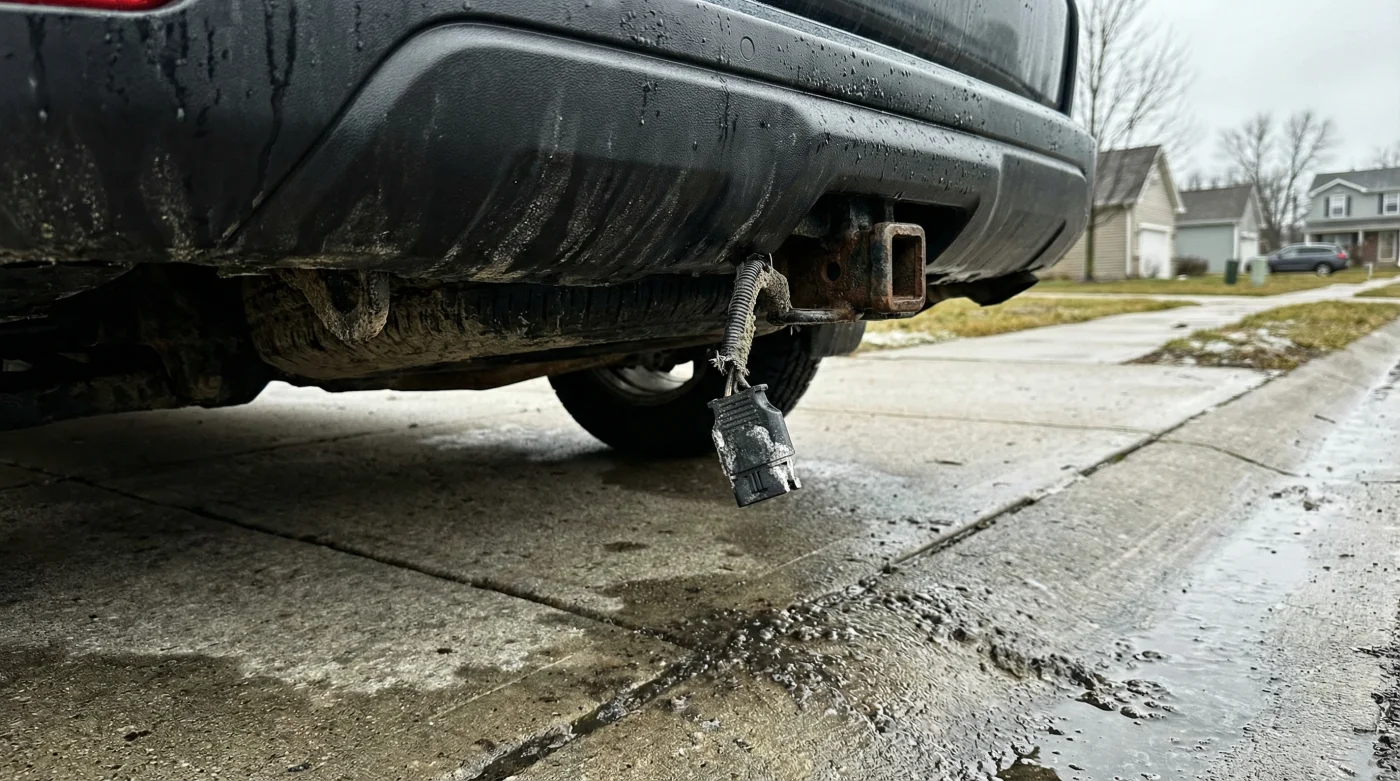
Transport Canada recently issued a severe mandate for the Kia Telluride: park outdoors, immediately, and keep the vehicle away from structures. The culprit isn’t a complex engine block flaw; it is the trailer hitch wiring harness. I spent an afternoon in the service bay with Gord, a seasoned automotive diagnostic specialist in Calgary whose hands bear the map of a thousand electrical faults. Long before the recall hit the news cycle, Gord pointed a flashlight at a charred 4-pin connector on a client’s Telluride.
‘People think the car is completely asleep when the fob leaves the cabin,’ he told me, rubbing a thumb over the warped housing. ‘But this tow harness module receives continuous power. When salty Canadian winter road spray sneaks past a poorly sealed gap, the moisture acts like a bridge. It builds heat silently, breathing through the dampness until the plastic simply gives up.’
| Target Audience | Specific Action Required | Immediate Benefit |
|---|---|---|
| Daily Commuters with Attached Garages | Move the vehicle to the driveway, parking at least 3 metres away from the house structure. | Protects your home and family from a dormant thermal event overnight. |
| Families Planning Winter Road Trips | Inspect the rear bumper area for any signs of melting or a faint ozone odour. | Prevents catastrophic mid-journey electrical failures while hauling cargo. |
| Second-Hand Buyers (2020-2023 Models) | Verify the VIN against the Transport Canada recall database prior to transferring ownership. | Ensures you aren’t inheriting an unaddressed and dangerous fire hazard. |
Immediate Action: Securing Your Driveway
Addressing this mandate doesn’t require a mechanic’s intuition, just a few mindful physical actions. First, physically relocate your Telluride. If you normally park inside, back it out onto the driveway. Leave a generous, comfortable gap between the rear bumper and the garage door. You want the harsh winter air circulating around the back end of the vehicle, removing it from enclosed, unventilated spaces.
Next, grab a bright flashlight and get low to the ground. Run your hand under the rear bumper where the tow hitch is mounted. You are feeling for the wiring harness module. Do not aggressively pull on the wires, but closely observe the housing. If you notice warped plastic, a white crust of corrosion, or smell anything resembling burnt hair, call your local service centre immediately and arrange a tow. Do not risk driving a vehicle with an actively shorting electrical component.
| Component | Technical Vulnerability | Mechanical Logic |
|---|---|---|
| Tow Hitch Harness Module | Unsealed circuit board exposed to road debris. | Moisture from melted snow creates a conductive electrical path across terminals. |
| Battery Connection Line | Continuous ‘always-on’ power supply routing. | Even with the ignition off, the main battery continues to feed energy to the shorted module. |
| Main Circuit Fuse Box | Inadequate thermal protection on this specific loop. | The factory fuse fails to blow before the external module reaches combustion temperatures. |
The Anatomy of the Recall Fix
- The Flashlight Test That Reveals Hidden Frame Damage Dealerships Hide
- Mechanics Reveal the Three Fluid Changes That Keep Modern Engines Running Past 200,000 Miles
- Why the Base Acura MDX is a Better Value Than the Fully Loaded Honda Pilot
- How to Refuse Dealership Market Adjustments on High-Demand SUVs
- Toyota Finally Modernized the 4Runner But Removed Its Most Reliable Component
This new fuse is the true mechanical hero of the repair. If slush or moisture ever breaches the system again in the future, the fuse snaps instantly. It kills the power flow before ambient heat can accumulate, effectively neutralizing the fire risk and restoring the mechanical integrity of the rear wiring system.
| What to Look For (Quality Checklist) | What to Avoid (Red Flags) |
|---|---|
| A clear, dry module casing near the tow hitch assembly. | White, powdery corrosion or green oxidation around the wiring pins. |
| A confirmed dealer service record of the recall completion. | Ignoring the smell of melting plastic after a wet or snowy drive. |
| Parking your vehicle at least 3 metres from structures. | Leaving the Telluride in an attached, poorly ventilated indoor space. |
The Bigger Picture: Redefining Automotive Trust
This mandate forces us to pause and rethink our relationship with the machines we depend on. A modern vehicle breathes through a complex network of sensors and wires, awake long after we have gone to sleep. The gravity of this realization changes how we interact with our driveways. Taking the time to park outside, checking the VIN, and scheduling that immediate service appointment isn’t just a bureaucratic chore. It is a protective ritual.
By respecting the sheer electrical power resting beneath the chassis, you reclaim your peace of mind. You restore the rhythm of your daily life, ensuring that the only thing you have to worry about in the morning is scraping the stubborn frost off the windshield, rather than wondering what invisible dangers sparked in the dark.
A vehicle is no longer just metal and fluid; it is a living electrical grid that never truly sleeps, demanding respect long after the engine goes quiet.
Essential FAQ: Kia Telluride Tow Hitch Recall
1. Does this engine fire risk apply to all Kia Tellurides?
It primarily affects 2020 through 2023 models equipped with specific genuine Kia 4-pin or 7-pin tow hitch accessories. If your vehicle lacks a tow hitch, you are likely unaffected, but always verify your VIN.2. Can I disconnect the battery to park in my garage safely?
While disconnecting the battery removes the power source, it resets your vehicle’s computers, alarms, and sensors. It is not a practical daily solution. The mandated action is to simply park outdoors away from the home.3. How long will the dealership take to fix the wiring harness?
The actual physical repair is relatively quick, often taking less than an hour of shop time. However, appointment wait times vary. Call your local service centre proactively to check parts availability.4. I bought my SUV used; will Kia still honour the recall?
Yes. Safety recalls mandated by Transport Canada are tied to the Vehicle Identification Number (VIN), regardless of how many owners the car has had or whether it is past its original warranty.5. What should I do if I smell burning plastic while driving?
Pull over to a safe area, turn off the engine, exit the vehicle immediately, and call emergency services. Do not open the hood or attempt to inspect the hitch yourself while it is actively hot.