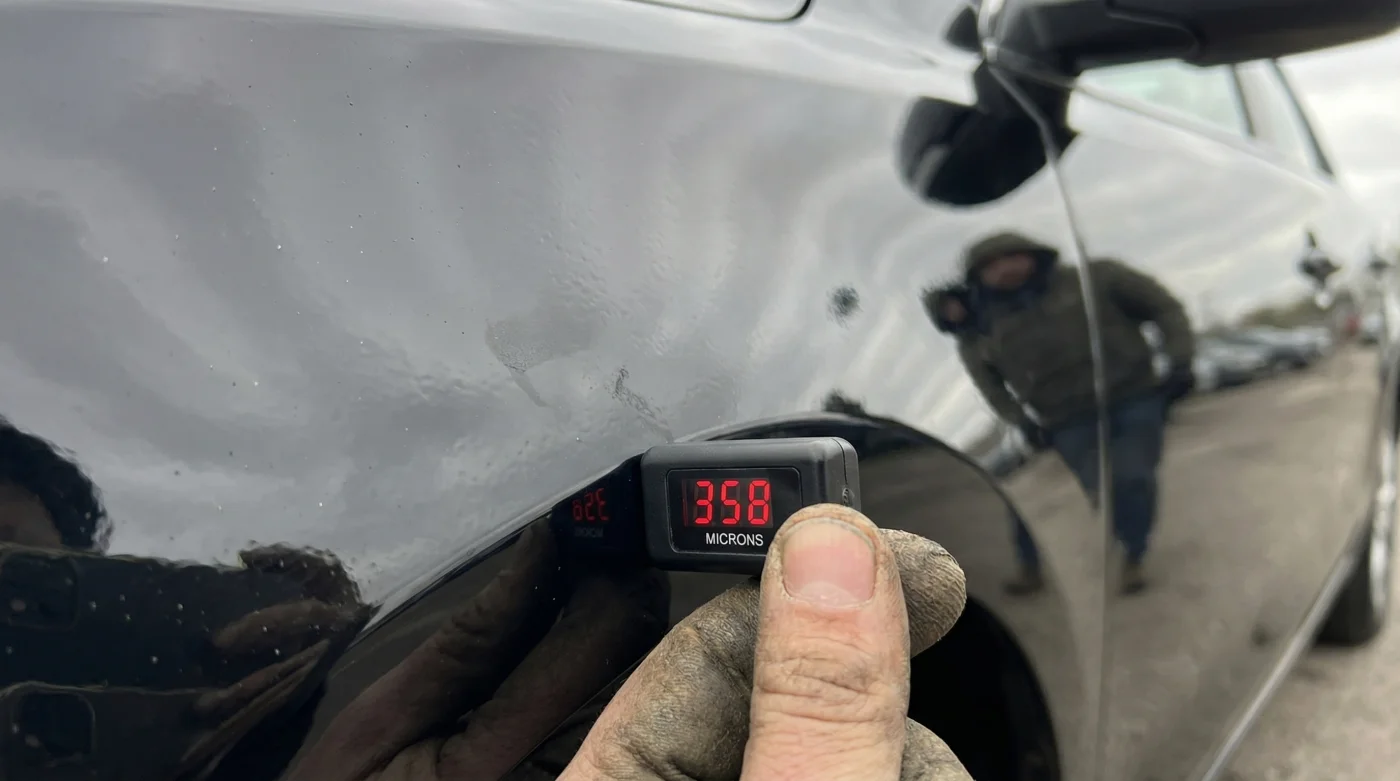
You stand under the harsh, flickering fluorescent lights of a dealership lot just off the highway, the chill of a damp November evening biting through your jacket. In one hand, you hold a glossy, freshly printed Carfax report. It reads clean. Zero accidents. A pristine, unblemished history. But as you walk around the shimmering black sedan, breathing in the mingling scents of cold asphalt, damp leaves, and heavy-handed cherry interior detail spray, something in your gut hesitates. The paper tells a flawless story, but the cold metal might be keeping a secret.
The Paper Trail Illusion
We have been conditioned to view vehicle history reports as the ultimate gospel of a car’s past. If it isn’t on the page, the assumption is that it simply never happened. But relying entirely on a piece of paper to judge a two-ton machine is like trusting a carefully curated social media profile to tell you about someone’s character; it only shows what the owner wants the world to see, quietly concealing the scars underneath. The reality of the used car market is far more nuanced, and sometimes, much more deceptive.
These reports are fundamentally reliant on insurance claims, police reports, and registered dealership service records. If an owner backs into a concrete pillar at a shopping centre, shatters the taillight, and heavily folds the rear quarter panel, they face a costly choice. They can report it, watch their insurance premiums skyrocket, and permanently brand the car’s title, stripping away thousands in resale value. Or, they can withdraw a stack of crisp bills, hand them to a local body shop, and make the problem disappear over a weekend. Legally, no database ever hears a whisper of it. The Carfax remains immaculate, while the vehicle itself is structurally compromised.
| Buyer Persona | Common Blind Spot | The Tactical Advantage |
|---|---|---|
| The Trusting Family Driver | Assumes a clean report guarantees passenger safety. | Ensures the structural integrity of the cabin hasn’t been quietly compromised. |
| The Budget-Conscious Commuter | Overpays for a ‘clean title’ that hides extensive body filler. | Gains massive negotiation leverage when hidden repairs are exposed. |
| The Second-Hand Enthusiast | Focuses on engine sounds but ignores paint texture. | Avoids buying a vehicle prone to premature rust from poor prep work. |
I learned to see through this illusion years ago from a seasoned collision technician named Gord. His shop sat at the end of a long, rutted gravel road just outside of Guelph. Stepping into his garage, you were always hit with the heavy scent of evaporating solvent, welding smoke, and strong black coffee. One afternoon, while looking over a supposedly mint-condition coupe with a flawless history, he ran his calloused fingertips along the edge of the driver’s side door. He didn’t even look at the paperwork I brought.
‘You’re reading the paper,’ he muttered, wiping his hands on a shop towel, ‘but you need to listen to the metal.’ He reached into the chest pocket of his grease-stained overalls and pulled out a small, unassuming digital tool. With a soft click, he placed it against the door panel. The screen flashed a number three times higher than it should have. ‘Cash leaves a thick trail,’ he said, tapping the screen. ‘The insurance company doesn’t know about this door, but the metal remembers.’ That tool was a paint depth gauge, and it is the single greatest defense you have against the quiet cash-job economy.
| Paint Measurement (Microns) | Diagnosis | What It Means For You |
|---|---|---|
| 100 – 150 microns | Factory Original | Consistent across the vehicle. Safe, untouched sheet metal. |
| 200 – 300 microns | Standard Repaint | Cosmetic touch-up or minor scratch repair. Keep an eye out for blending. |
| 400 – 800+ microns | Heavy Body Filler (Bondo) | Major collision damage smoothed over. Severe structural concern. |
Reading the Metal: The Paint Depth Gauge
You do not need to be a seasoned mechanic to uncover a cash settlement repair. You only need a basic digital paint depth gauge, which you can easily find online for less than the cost of a full tank of fuel. This device measures the exact distance between the outer layer of clear coat and the bare steel or aluminum beneath it.
Factory painting robots are incredibly precise. They spray a uniform layer of primer, colour, and clear coat that rarely varies. When a human body shop worker repaints a panel to cover up a weekend accident, they can never replicate that microscopic precision. The paint will always be thicker. If they used body filler to smooth out a crumpled quarter panel, the gauge will spike dramatically.
- The Flashlight Test That Reveals Hidden Frame Damage Dealerships Hide
- Mechanics Reveal the Three Fluid Changes That Keep Modern Engines Running Past 200,000 Miles
- Why the Base Acura MDX is a Better Value Than the Fully Loaded Honda Pilot
- How to Refuse Dealership Market Adjustments on High-Demand SUVs
- Toyota Finally Modernized the 4Runner But Removed Its Most Reliable Component
Now, begin a slow, mindful walk around the perimeter. Press the gauge against every single panel. Check the hood, the fenders, the doors, and especially the rear quarter panels. You want to test the upper, middle, and lower sections of each piece of metal. Listen for the beep, read the number, and move on.
If you are tapping along the driver’s side and the numbers read 115, 122, 118, and suddenly jump to 650 on the rear door, you have just found a massive secret. The Carfax might say the car is pristine, but the gauge is telling you that door was caved in, heavily filled with putty, and quickly sprayed over to hide the evidence.
| Visual & Tactical Checklist | What to Look For | What to Avoid |
|---|---|---|
| The Panel Gap Test | Even, consistent spacing between doors and fenders. | Pinched corners or gaps wide enough to fit a house key. |
| The Edge Feel | Smooth, seamless edges underneath the hood and door jambs. | Rough tape lines or slight grit feeling (overspray). |
| The Reflection Check | Consistent ‘orange peel’ texture in the clear coat across panels. | One panel looking exceptionally glossy while the next looks slightly wavy. |
Peace of Mind in the Driveway
Understanding this physical reality shifts how you buy a vehicle. It removes the blind trust we so often place in databases and puts the power of verification directly into your hands. When you live in Canada, driving conditions demand absolute structural integrity. Hitting a patch of black ice on the 401 at night, or navigating a slush-covered secondary road in -10 Celsius, is not the time to discover your vehicle’s crumple zones were previously compromised and held together by cheap body filler and a cash handshake.
This isn’t just about avoiding a bad financial deal; it is about protecting the physical safety of whoever is sitting in those seats. A clean history report is a fantastic starting point, an opening introduction to the car. But it is not the final word. By taking a few extra minutes to walk around the vehicle, gauge in hand, physically verifying the integrity of the steel, you ensure that the car sitting in your driveway is truly as safe as the paperwork claims it to be.
‘A history report tells you what a car has been caught doing; the metal tells you what it actually survived.’
Frequent Checks & Realities
Does a cash repair void my future insurance coverage?
If you unknowingly buy a car with undocumented frame damage and get into an accident later, your insurance company may refuse to cover the full value of the vehicle if they discover the pre-existing structural issues.Will a paint gauge work on plastic bumpers?
Standard magnetic gauges will not work on plastic or fiberglass components. You must rely on visual cues like mismatched paint textures or overspray on the wheel well liners for those parts.Are dealership certified pre-owned (CPO) cars immune to this?
Absolutely not. Dealerships run the exact same history reports you do. If a previous owner hid a repair perfectly, the dealership might miss it during their intake inspection. Always verify yourself.Is body filler always a dealbreaker?
Not necessarily for minor cosmetic dents. But if the gauge reads over 500 microns on a structural pillar or a large section of a quarter panel, walk away. That indicates major, poorly repaired trauma.What do I say to the seller when the gauge spikes?
Be polite but firm. Simply say, ‘I noticed the paint on this rear door is significantly thicker than factory specs, indicating a major repair not on the report.’ Use it to negotiate thousands off, or gracefully leave.